掌握Agent设计模式:小白程序员轻松入门,收藏提升技能!
本节目标
学完本课程后,你应该能够:
- 理解观察者模式在Agent中的应用
- 掌握策略模式在Agent中的实现
- 了解其他常用的Agent设计模式
- 实现多种设计模式的综合应用
理论讲解
- 设计模式在Agent系统中的重要性
设计模式是在软件设计中反复出现的问题的可重用解决方案。在Agent系统中,设计模式有助于:
- 提高代码的可维护性和可扩展性
- 促进组件间的松耦合
- 便于理解和复用代码
- 支持系统的灵活性和适应性
- 观察者模式(Observer Pattern)
观察者模式定义了对象之间的一对多依赖关系,当一个对象的状态发生改变时,所有依赖于它的对象都会得到通知并自动更新。
在Agent系统中,观察者模式可用于:
- 环境状态变化通知
- Agent状态监控
- 事件驱动的响应机制
2.1 观察者模式结构
- Subject(主题):被观察的对象
- Observer(观察者):观察Subject的对象
- ConcreteSubject(具体主题):具体实现Subject的类
- ConcreteObserver(具体观察者):具体实现Observer的类
- 策略模式(Strategy Pattern)
策略模式定义了一系列算法,并将每种算法分别放入独立的类中,从而使算法的变化独立于使用它们的客户端。
在Agent系统中,策略模式可用于:
- 决策算法的切换
- 行为策略的动态调整
- 不同规划算法的选择
3.1 策略模式结构
- Strategy(策略):定义算法的接口
- ConcreteStrategy(具体策略):实现算法的类
- Context(上下文):使用策略的类
- 其他常用的Agent设计模式
4.1 状态模式(State Pattern)
允许对象在其内部状态改变时改变其行为。
4.2 模板方法模式(Template Method Pattern)
定义算法的骨架,将一些步骤延迟到子类中实现。
4.3 命令模式(Command Pattern)
将请求封装为对象,从而可以用不同的请求对客户进行参数化。
设计思路
在Agent系统中应用设计模式需要考虑:
- 模式的适用场景
- 模式间的组合使用
- 系统的性能影响
- 代码的可读性和维护性

代码实现
下面我们将实现多种Agent设计模式:
from abc import ABC, abstractmethod
from typing import List, Dict, Any, Optional
import time
import threading
from enum import Enum
# 观察者模式实现
class Observer(ABC):
"""
观察者抽象类
"""
@abstractmethod
def update(self, subject, event_type: str, data: Any):
"""
当被观察对象状态改变时被调用
:param subject: 被观察的主题对象
:param event_type: 事件类型
:param data: 事件数据
"""
pass
class Subject(ABC):
"""
主题抽象类
"""
def __init__(self):
self._observers: List[Observer] = []
def attach(self, observer: Observer):
"""添加观察者"""
if observer not in self._observers:
self._observers.append(observer)
def detach(self, observer: Observer):
"""移除观察者"""
if observer in self._observers:
self._observers.remove(observer)
def notify(self, event_type: str, data: Any = None):
"""通知所有观察者"""
for observer in self._observers:
observer.update(self, event_type, data)
class AgentMonitor(Subject):
"""
Agent监控器 - 被观察的主题
"""
def __init__(self, agent_id: str):
super().__init__()
self.agent_id = agent_id
self.state = "idle"
self.health_score = 100
self.performance_metrics = {}
def change_state(self, new_state: str):
"""改变Agent状态"""
old_state = self.state
self.state = new_state
print(f"Agent {self.agent_id} 状态从 '{old_state}' 变更为 '{new_state}'")
self.notify("state_changed", {"old_state": old_state, "new_state": new_state})
def update_health(self, health: int):
"""更新健康分数"""
old_health = self.health_score
self.health_score = health
print(f"Agent {self.agent_id} 健康分数从 {old_health} 更新为 {health}")
self.notify("health_changed", {"old_health": old_health, "new_health": health})
def log_metric(self, metric_name: str, value: Any):
"""记录性能指标"""
self.performance_metrics[metric_name] = value
self.notify("metric_updated", {"metric_name": metric_name, "value": value})
class Logger(Observer):
"""
日志观察者
"""
def __init__(self, name: str):
self.name = name
self.logs = []
def update(self, subject, event_type: str, data: Any):
log_entry = {
'timestamp': time.time(),
'event_type': event_type,
'data': data,
'subject_id': getattr(subject, 'agent_id', 'unknown')
}
self.logs.append(log_entry)
print(f"[{self.name}] LOG: Event '{event_type}' for agent {log_entry['subject_id']}, Data: {data}")
class AlertSystem(Observer):
"""
警报系统观察者
"""
def __init__(self, threshold: int = 30):
self.threshold = threshold
self.alerts = []
def update(self, subject, event_type: str, data: Any):
if event_type == "health_changed":
new_health = data.get('new_health', 0)
if new_health < self.threshold:
alert = {
'timestamp': time.time(),
'agent_id': getattr(subject, 'agent_id', 'unknown'),
'health': new_health,
'message': f'Health below threshold: {new_health} < {self.threshold}'
}
self.alerts.append(alert)
print(f"🚨 ALERT: {alert['message']}")
elif event_type == "state_changed":
new_state = data.get('new_state', '')
if new_state == "error":
alert = {
'timestamp': time.time(),
'agent_id': getattr(subject, 'agent_id', 'unknown'),
'state': new_state,
'message': f'Agent entered error state'
}
self.alerts.append(alert)
print(f"🚨 ALERT: Agent {alert['agent_id']} entered error state")
class PerformanceTracker(Observer):
"""
性能追踪观察者
"""
def __init__(self):
self.metrics_history = {}
def update(self, subject, event_type: str, data: Any):
if event_type == "metric_updated":
metric_name = data.get('metric_name')
value = data.get('value')
agent_id = getattr(subject, 'agent_id', 'unknown')
if agent_id not in self.metrics_history:
self.metrics_history[agent_id] = {}
if metric_name not in self.metrics_history[agent_id]:
self.metrics_history[agent_id][metric_name] = []
self.metrics_history[agent_id][metric_name].append({
'timestamp': time.time(),
'value': value
})
print(f"📊 Performance metric '{metric_name}' updated for agent {agent_id}: {value}")
# 策略模式实现
class PlanningStrategy(ABC):
"""
规划策略抽象类
"""
@abstractmethod
def plan(self, goals: List[str], current_state: Dict[str, Any]) -> List[str]:
"""
根据目标和当前状态制定计划
:param goals: 目标列表
:param current_state: 当前状态
:return: 行动计划
"""
pass
class SimplePlanningStrategy(PlanningStrategy):
"""
简单规划策略
"""
def plan(self, goals: List[str], current_state: Dict[str, Any]) -> List[str]:
plan = []
for goal in goals:
if goal == "navigate_to_target":
plan.extend(["move_forward", "turn_right", "move_forward"])
elif goal == "collect_resources":
plan.extend(["scan_area", "approach_resource", "collect"])
elif goal == "avoid_obstacle":
plan.extend(["stop", "analyze_obstacle", "find_alternative_path"])
elif goal == "communicate":
plan.extend(["establish_connection", "send_message", "wait_for_response"])
else:
plan.append("default_action")
return plan
class AdvancedPlanningStrategy(PlanningStrategy):
"""
高级规划策略 - 考虑当前状态和环境因素
"""
def plan(self, goals: List[str], current_state: Dict[str, Any]) -> List[str]:
plan = []
# 根据当前状态调整计划
battery_level = current_state.get('battery_level', 100)
obstacle_distance = current_state.get('obstacle_distance', float('inf'))
target_distance = current_state.get('target_distance', float('inf'))
for goal in goals:
if goal == "navigate_to_target":
if battery_level < 20:
plan.append("return_to_base")
continue
if obstacle_distance < 5:  # 障碍物在5米以内
plan.extend(["stop", "scan_surroundings", "plan_detour"])
else:
# 根据距离选择最优路径
if target_distance > 50:
plan.extend(["move_fast", "navigate_long_range"])
else:
plan.extend(["navigate_short_range", "fine_position_control"])
elif goal == "collect_resources":
if battery_level < 30:
plan.append("return_to_base")
continue
resource_density = current_state.get('resource_density', 0)
if resource_density > 0.8:
plan.extend(["approach_resource", "collect_efficiently"])
elif resource_density > 0.3:
plan.extend(["approach_resource", "collect_normally"])
else:
plan.extend(["scan_new_area", "find_better_location"])
elif goal == "avoid_obstacle":
obstacle_size = current_state.get('obstacle_size', 'small')
if obstacle_size == 'large':
plan.extend(["stop", "analyze_obstacle", "plan_large_detour"])
else:
plan.extend(["small_adjustment", "continue_navigation"])
elif goal == "communicate":
signal_strength = current_state.get('signal_strength', 0)
if signal_strength < 0.3:
plan.extend(["find_better_signal", "retry_connection"])
else:
plan.extend(["establish_connection", "send_message", "verify_delivery"])
return plan
class LearningPlanningStrategy(PlanningStrategy):
"""
学习型规划策略 - 基于历史经验优化规划
"""
def __init__(self):
self.experience_db = {}  # 存储历史经验
self.performance_history = []
def plan(self, goals: List[str], current_state: Dict[str, Any]) -> List[str]:
# 检查是否有类似的历史经验
state_hash = self._hash_state(current_state)
if state_hash in self.experience_db:
# 使用历史经验
best_plan = self.experience_db[state_hash]
print(f"Using learned plan for similar state: {best_plan}")
return best_plan
else:
# 使用默认规划策略
default_strategy = AdvancedPlanningStrategy()
plan = default_strategy.plan(goals, current_state)
# 记录新经验(这里简化,实际应用中需要评估执行效果)
self.experience_db[state_hash] = plan
print(f"Learned new plan for state: {plan}")
return plan
def _hash_state(self, state: Dict[str, Any]) -> str:
"""简单地哈希状态"""
import hashlib
state_str = str(sorted(state.items()))
return hashlib.md5(state_str.encode()).hexdigest()
def record_performance(self, state: Dict[str, Any], plan: List[str], performance: float):
"""记录执行性能"""
state_hash = self._hash_state(state)
self.performance_history.append({
'state_hash': state_hash,
'plan': plan,
'performance': performance,
'timestamp': time.time()
})
class AdaptiveAgent:
"""
自适应Agent - 使用策略模式
"""
def __init__(self, agent_id: str, initial_strategy: PlanningStrategy):
self.agent_id = agent_id
self.strategy = initial_strategy
self.goals: List[str] = []
self.current_state: Dict[str, Any] = {}
self.action_history: List[str] = []
self.performance_score = 1.0
def set_strategy(self, strategy: PlanningStrategy):
"""切换规划策略"""
old_strategy_type = type(self.strategy).__name__
self.strategy = strategy
new_strategy_type = type(strategy).__name__
print(f"Agent {self.agent_id} 策略从 {old_strategy_type} 切换到 {new_strategy_type}")
def set_goals(self, goals: List[str]):
"""设置目标"""
self.goals = goals
print(f"Agent {self.agent_id} 设置了目标: {goals}")
def update_state(self, state_update: Dict[str, Any]):
"""更新状态"""
self.current_state.update(state_update)
print(f"Agent {self.agent_id} 状态更新: {state_update}")
def plan_actions(self) -> List[str]:
"""制定行动计划"""
if not self.goals:
print(f"Agent {self.agent_id} 没有目标,无法制定计划")
return []
plan = self.strategy.plan(self.goals, self.current_state)
print(f"Agent {self.agent_id} 制定的计划: {plan}")
return plan
def execute_plan(self, plan: List[str]):
"""执行计划"""
for action in plan:
self.action_history.append(action)
print(f"Agent {self.agent_id} 执行动作: {action}")
# 模拟执行时间
time.sleep(0.1)
def adapt_strategy(self):
"""根据性能自适应调整策略"""
# 简单的自适应逻辑:如果性能低于阈值,切换到高级策略
if self.performance_score < 0.5:
if not isinstance(self.strategy, AdvancedPlanningStrategy):
print(f"Agent {self.agent_id} 性能较低,切换到高级策略")
self.set_strategy(AdvancedPlanningStrategy())
elif self.performance_score > 0.8:
if isinstance(self.strategy, SimplePlanningStrategy):
print(f"Agent {self.agent_id} 性能良好,保持当前策略")
def evaluate_performance(self) -> float:
"""评估性能(简化版本)"""
# 基于行动历史的简单评估
if not self.action_history:
return 0.5
# 计算效率:避免重复动作
unique_actions = len(set(self.action_history))
total_actions = len(self.action_history)
if total_actions == 0:
return 0.5
efficiency = unique_actions / total_actions
self.performance_score = min(1.0, efficiency + 0.2)  # 确保至少0.2的基准分数
return self.performance_score
# 状态模式实现
class AgentState(ABC):
"""
Agent状态抽象类
"""
@abstractmethod
def handle(self, agent: 'StateMachineAgent'):
"""处理Agent的行为"""
pass
@abstractmethod
def get_state_name(self) -> str:
"""获取状态名称"""
pass
class IdleState(AgentState):
"""空闲状态"""
def handle(self, agent: 'StateMachineAgent'):
print(f"Agent {agent.agent_id} 处于空闲状态,正在监听任务...")
# 检查是否有新任务
if agent.has_task():
agent.transition_to(BusyState())
def get_state_name(self) -> str:
return "idle"
class BusyState(AgentState):
"""忙碌状态"""
def handle(self, agent: 'StateMachineAgent'):
print(f"Agent {agent.agent_id} 正在执行任务...")
# 模拟任务执行
agent.execute_current_task()
# 检查任务是否完成
if agent.current_task_completed():
agent.transition_to(IdleState())
def get_state_name(self) -> str:
return "busy"
class ErrorState(AgentState):
"""错误状态"""
def handle(self, agent: 'StateMachineAgent'):
print(f"Agent {agent.agent_id} 处于错误状态,正在尝试恢复...")
# 尝试恢复
if agent.attempt_recovery():
agent.transition_to(IdleState())
else:
print(f"Agent {agent.agent_id} 恢复失败,保持错误状态")
def get_state_name(self) -> str:
return "error"
class StateMachineAgent:
"""
状态机Agent
"""
def __init__(self, agent_id: str):
self.agent_id = agent_id
self.state = IdleState()
self.current_task = None
self.task_queue = []
self.error_count = 0
def transition_to(self, state: AgentState):
"""切换状态"""
old_state = self.state.get_state_name()
self.state = state
new_state = state.get_state_name()
print(f"Agent {self.agent_id} 状态从 '{old_state}' 切换到 '{new_state}'")
def handle(self):
"""处理当前状态"""
self.state.handle(self)
def assign_task(self, task: str):
"""分配任务"""
self.task_queue.append(task)
print(f"任务 '{task}' 已分配给 Agent {self.agent_id}")
def has_task(self) -> bool:
"""检查是否有任务"""
return len(self.task_queue) > 0
def execute_current_task(self):
"""执行当前任务"""
if self.task_queue:
self.current_task = self.task_queue.pop(0)
print(f"Agent {self.agent_id} 开始执行任务: {self.current_task}")
# 模拟任务执行
time.sleep(0.5)
print(f"Agent {self.agent_id} 完成任务: {self.current_task}")
self.current_task = None
def current_task_completed(self) -> bool:
"""检查当前任务是否完成"""
return self.current_task is None
def attempt_recovery(self) -> bool:
"""尝试恢复"""
print(f"Agent {self.agent_id} 尝试恢复...")
# 简单的恢复逻辑:重置错误计数
self.error_count = 0
return True  # 假设总是能恢复
# 命令模式实现
class Command(ABC):
"""
命令抽象类
"""
@abstractmethod
def execute(self):
"""执行命令"""
pass
@abstractmethod
def undo(self):
"""撤销命令"""
pass
class MoveCommand(Command):
"""移动命令"""
def __init__(self, agent: 'CommandAgent', direction: str, distance: float):
self.agent = agent
self.direction = direction
self.distance = distance
self.previous_position = agent.position
def execute(self):
print(f"Agent {self.agent.agent_id} 执行移动命令: {self.direction} {self.distance}m")
self.previous_position = self.agent.position.copy()
if self.direction == "forward":
self.agent.position[1] += self.distance
elif self.direction == "backward":
self.agent.position[1] -= self.distance
elif self.direction == "left":
self.agent.position[0] -= self.distance
elif self.direction == "right":
self.agent.position[0] += self.distance
print(f"Agent {self.agent.agent_id} 新位置: {self.agent.position}")
def undo(self):
print(f"撤销移动命令,恢复到位置: {self.previous_position}")
self.agent.position = self.previous_position.copy()
class RotateCommand(Command):
"""旋转命令"""
def __init__(self, agent: 'CommandAgent', angle: float):
self.agent = agent
self.angle = angle
self.previous_angle = agent.orientation
def execute(self):
print(f"Agent {self.agent.agent_id} 执行旋转命令: {self.angle}度")
self.previous_angle = self.agent.orientation
self.agent.orientation += self.angle
# 标准化角度到0-360度
self.agent.orientation %= 360
print(f"Agent {self.agent.agent_id} 新朝向: {self.agent.orientation}度")
def undo(self):
print(f"撤销旋转命令,恢复到朝向: {self.previous_angle}")
self.agent.orientation = self.previous_angle
class CommandAgent:
"""
支持命令模式的Agent
"""
def __init__(self, agent_id: str, initial_position: List[float] = None):
self.agent_id = agent_id
self.position = initial_position or [0.0, 0.0]
self.orientation = 0.0  # 朝向,单位度
self.command_history = []
def execute_command(self, command: Command):
"""执行命令"""
command.execute()
self.command_history.append(command)
def undo_last_command(self):
"""撤销最后一个命令"""
if self.command_history:
last_command = self.command_history.pop()
last_command.undo()
else:
print("没有可撤销的命令")
def get_position(self) -> List[float]:
"""获取当前位置"""
return self.position.copy()
def get_orientation(self) -> float:
"""获取当前朝向"""
return self.orientation
def demo_observer_pattern():
"""
演示观察者模式
"""
print("=== 观察者模式演示 ===")
# 创建Agent监控器
monitor = AgentMonitor("robot_001")
# 创建观察者
logger = Logger("SystemLogger")
alert_system = AlertSystem(threshold=50)
perf_tracker = PerformanceTracker()
# 注册观察者
monitor.attach(logger)
monitor.attach(alert_system)
monitor.attach(perf_tracker)
# 模拟状态变化
print("\n1. 状态变化:")
monitor.change_state("working")
monitor.change_state("maintenance")
print("\n2. 健康分数变化:")
monitor.update_health(80)
monitor.update_health(40)  # 触发警报
monitor.update_health(20)  # 触发警报
print("\n3. 性能指标更新:")
monitor.log_metric("response_time", 0.15)
monitor.log_metric("accuracy", 0.95)
# 移除观察者
monitor.detach(alert_system)
print("\n4. 移除警报系统后健康变化:")
monitor.update_health(10)  # 不会触发警报
# 显示日志
print(f"\n5. 日志观察者记录了 {len(logger.logs)} 条日志")
print(f"   警报系统记录了 {len(alert_system.alerts)} 条警报")
print(f"   性能追踪器记录了 {len(perf_tracker.metrics_history.get('robot_001', {}))} 种指标")
def demo_strategy_pattern():
"""
演示策略模式
"""
print("\n\n=== 策略模式演示 ===")
# 创建不同策略
simple_strategy = SimplePlanningStrategy()
advanced_strategy = AdvancedPlanningStrategy()
learning_strategy = LearningPlanningStrategy()
# 创建Agent
agent = AdaptiveAgent("navigator_001", simple_strategy)
# 设置目标
goals = ["navigate_to_target", "avoid_obstacle"]
agent.set_goals(goals)
print("\n1. 使用简单策略:")
current_state = {"battery_level": 80, "obstacle_distance": 10}
agent.update_state(current_state)
plan1 = agent.plan_actions()
agent.execute_plan(plan1)
print("\n2. 切换到高级策略:")
agent.set_strategy(advanced_strategy)
current_state = {"battery_level": 25, "obstacle_distance": 3, "target_distance": 60}
agent.update_state(current_state)
plan2 = agent.plan_actions()
agent.execute_plan(plan2)
print("\n3. 切换到学习策略:")
agent.set_strategy(learning_strategy)
current_state = {"battery_level": 90, "obstacle_distance": 15, "target_distance": 25}
agent.update_state(current_state)
plan3 = agent.plan_actions()
agent.execute_plan(plan3)
# 演示性能评估和自适应
print(f"\n4. Agent性能评估: {agent.evaluate_performance():.2f}")
agent.adapt_strategy()
def demo_state_pattern():
"""
演示状态模式
"""
print("\n\n=== 状态模式演示 ===")
# 创建状态机Agent
agent = StateMachineAgent("worker_001")
print(f"初始状态: {agent.state.get_state_name()}")
# 模拟一系列操作
print("\n1. 分配任务,状态应该改变:")
agent.assign_task("clean_room")
agent.handle()  # 检查状态
print(f"当前状态: {agent.state.get_state_name()}")
print("\n2. 处理忙碌状态:")
agent.handle()  # 执行任务
print(f"任务完成后状态: {agent.state.get_state_name()}")
print("\n3. 再次分配任务:")
agent.assign_task("deliver_package")
agent.handle()  # 检查状态
print(f"分配任务后状态: {agent.state.get_state_name()}")
agent.handle()  # 执行任务
print(f"任务完成后状态: {agent.state.get_state_name()}")
def demo_command_pattern():
"""
演示命令模式
"""
print("\n\n=== 命令模式演示 ===")
# 创建命令Agent
agent = CommandAgent("rover_001", [0, 0])
print(f"初始位置: {agent.get_position()}, 朝向: {agent.get_orientation()}度")
# 创建并执行命令
print("\n1. 执行移动命令:")
move_cmd1 = MoveCommand(agent, "forward", 5.0)
agent.execute_command(move_cmd1)
rotate_cmd = RotateCommand(agent, 90)
agent.execute_command(rotate_cmd)
move_cmd2 = MoveCommand(agent, "forward", 3.0)
agent.execute_command(move_cmd2)
print(f"当前位置: {agent.get_position()}, 朝向: {agent.get_orientation()}度")
print("\n2. 撤销命令:")
print("撤销前进3米:")
agent.undo_last_command()
print(f"位置: {agent.get_position()}")
print("撤销右转90度:")
agent.undo_last_command()
print(f"位置: {agent.get_position()}, 朝向: {agent.get_orientation()}度")
print("撤销前进5米:")
agent.undo_last_command()
print(f"最终位置: {agent.get_position()}")
def demo_combined_patterns():
"""
演示多种模式的组合使用
"""
print("\n\n=== 组合模式演示 ===")
# 创建一个综合Agent,结合多种设计模式
class ComprehensiveAgent:
def __init__(self, agent_id: str):
# 使用观察者模式监控状态
self.monitor = AgentMonitor(agent_id)
# 使用策略模式进行规划
self.adaptive_agent = AdaptiveAgent(agent_id, SimplePlanningStrategy())
# 使用状态模式管理状态
self.state_machine_agent = StateMachineAgent(agent_id)
# 使用命令模式执行动作
self.command_agent = CommandAgent(agent_id)
# 添加观察者
self.logger = Logger(f"{agent_id}_logger")
self.monitor.attach(self.logger)
def execute_task(self, task: str, environment_state: Dict[str, Any]):
"""执行任务的完整流程"""
print(f"\nComprehensiveAgent {self.monitor.agent_id} 开始执行任务: {task}")
# 更新监控状态
self.monitor.change_state("executing_task")
# 使用策略模式制定计划
self.adaptive_agent.set_goals([task])
self.adaptive_agent.update_state(environment_state)
plan = self.adaptive_agent.plan_actions()
# 使用状态模式管理执行状态
self.state_machine_agent.assign_task(task)
# 使用命令模式执行具体动作
for action in plan:
if action.startswith("move_"):
direction = action.split("_")[1] if "_" in action else "forward"
cmd = MoveCommand(self.command_agent, direction, 2.0)
self.command_agent.execute_command(cmd)
elif action.startswith("turn_"):
angle = 90 if "right" in action else -90
cmd = RotateCommand(self.command_agent, angle)
self.command_agent.execute_command(cmd)
# 更新监控状态
self.monitor.change_state("idle")
self.monitor.update_health(90)
# 演示综合Agent
comp_agent = ComprehensiveAgent("comp_001")
# 执行不同任务
tasks_with_states = [
("navigate_to_target", {"battery_level": 85, "target_distance": 20}),
("avoid_obstacle", {"obstacle_distance": 5, "battery_level": 70}),
("collect_resources", {"resource_density": 0.6, "battery_level": 50})
]
for task, state in tasks_with_states:
comp_agent.execute_task(task, state)
print(f"\n综合Agent执行了 {len(comp_agent.logger.logs)} 个监控事件")
if __name__ == "__main__":
demo_observer_pattern()
demo_strategy_pattern()
demo_state_pattern()
demo_command_pattern()
demo_combined_patterns()
print("\n=== Agent设计模式演示完成 ===")
print("本演示展示了以下设计模式在Agent系统中的应用:")
print("1. 观察者模式 - 用于状态监控和事件通知")
print("2. 策略模式 - 用于动态切换算法和行为策略")
print("3. 状态模式 - 用于管理Agent的不同行为状态")
print("4. 命令模式 - 用于封装和执行动作")
print("5. 多模式组合 - 展示如何结合多种模式构建复杂Agent")
实践练习
-
扩展观察者模式,实现一个分布式监控系统,可以跨网络监控多个Agent。
-
实现一个新的策略(如基于机器学习的规划策略),并集成到AdaptiveAgent中。
-
创建一个复合命令模式,能够将多个命令组合成一个宏命令。
小结与扩展阅读
本课程介绍了多种在Agent系统中常用的设计模式,包括观察者模式、策略模式、状态模式和命令模式。这些模式有助于构建灵活、可维护和可扩展的Agent系统。
普通人如何抓住AI大模型的风口?
领取方式在文末
为什么要学习大模型?
目前AI大模型的技术岗位与能力培养随着人工智能技术的迅速发展和应用 , 大模型作为其中的重要组成部分 , 正逐渐成为推动人工智能发展的重要引擎 。大模型以其强大的数据处理和模式识别能力, 广泛应用于自然语言处理 、计算机视觉 、 智能推荐等领域 ,为各行各业带来了革命性的改变和机遇 。
目前,开源人工智能大模型已应用于医疗、政务、法律、汽车、娱乐、金融、互联网、教育、制造业、企业服务等多个场景,其中,应用于金融、企业服务、制造业和法律领域的大模型在本次调研中占比超过 30%。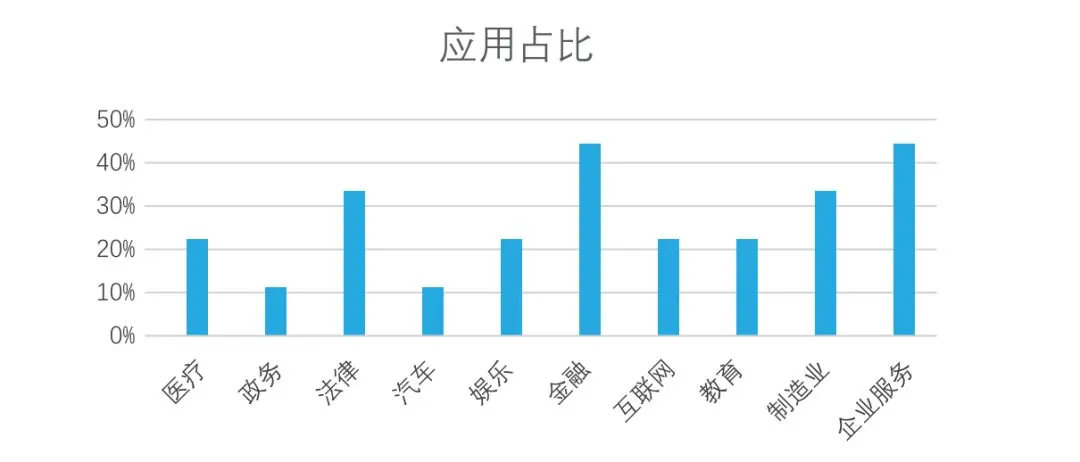
随着AI大模型技术的迅速发展,相关岗位的需求也日益增加。大模型产业链催生了一批高薪新职业: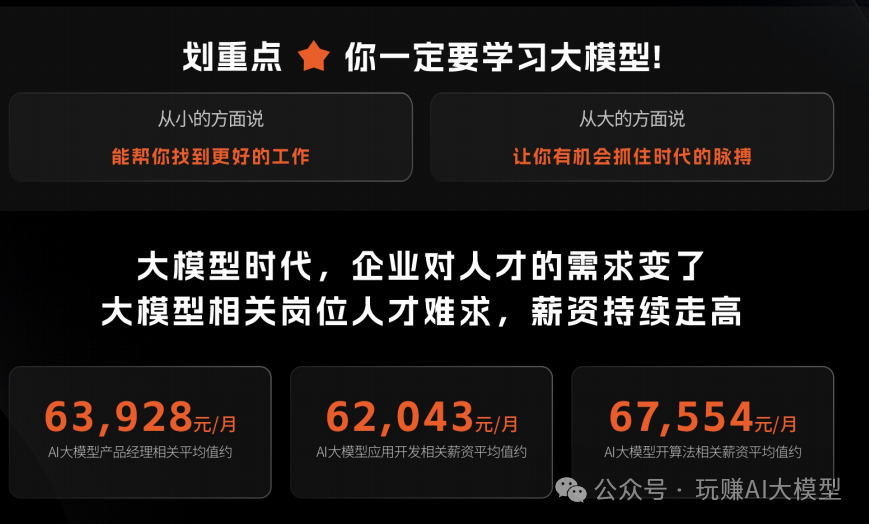
人工智能大潮已来,不加入就可能被淘汰。如果你是技术人,尤其是互联网从业者,现在就开始学习AI大模型技术,真的是给你的人生一个重要建议!
最后
只要你真心想学习AI大模型技术,这份精心整理的学习资料我愿意无偿分享给你,但是想学技术去乱搞的人别来找我!
在当前这个人工智能高速发展的时代,AI大模型正在深刻改变各行各业。我国对高水平AI人才的需求也日益增长,真正懂技术、能落地的人才依旧紧缺。我也希望通过这份资料,能够帮助更多有志于AI领域的朋友入门并深入学习。
真诚无偿分享!!!
vx扫描下方二维码即可
加上后会一个个给大家发
【附赠一节免费的直播讲座,技术大佬带你学习大模型的相关知识、学习思路、就业前景以及怎么结合当前的工作发展方向等,欢迎大家~】
大模型全套学习资料展示
自我们与MoPaaS魔泊云合作以来,我们不断打磨课程体系与技术内容,在细节上精益求精,同时在技术层面也新增了许多前沿且实用的内容,力求为大家带来更系统、更实战、更落地的大模型学习体验。
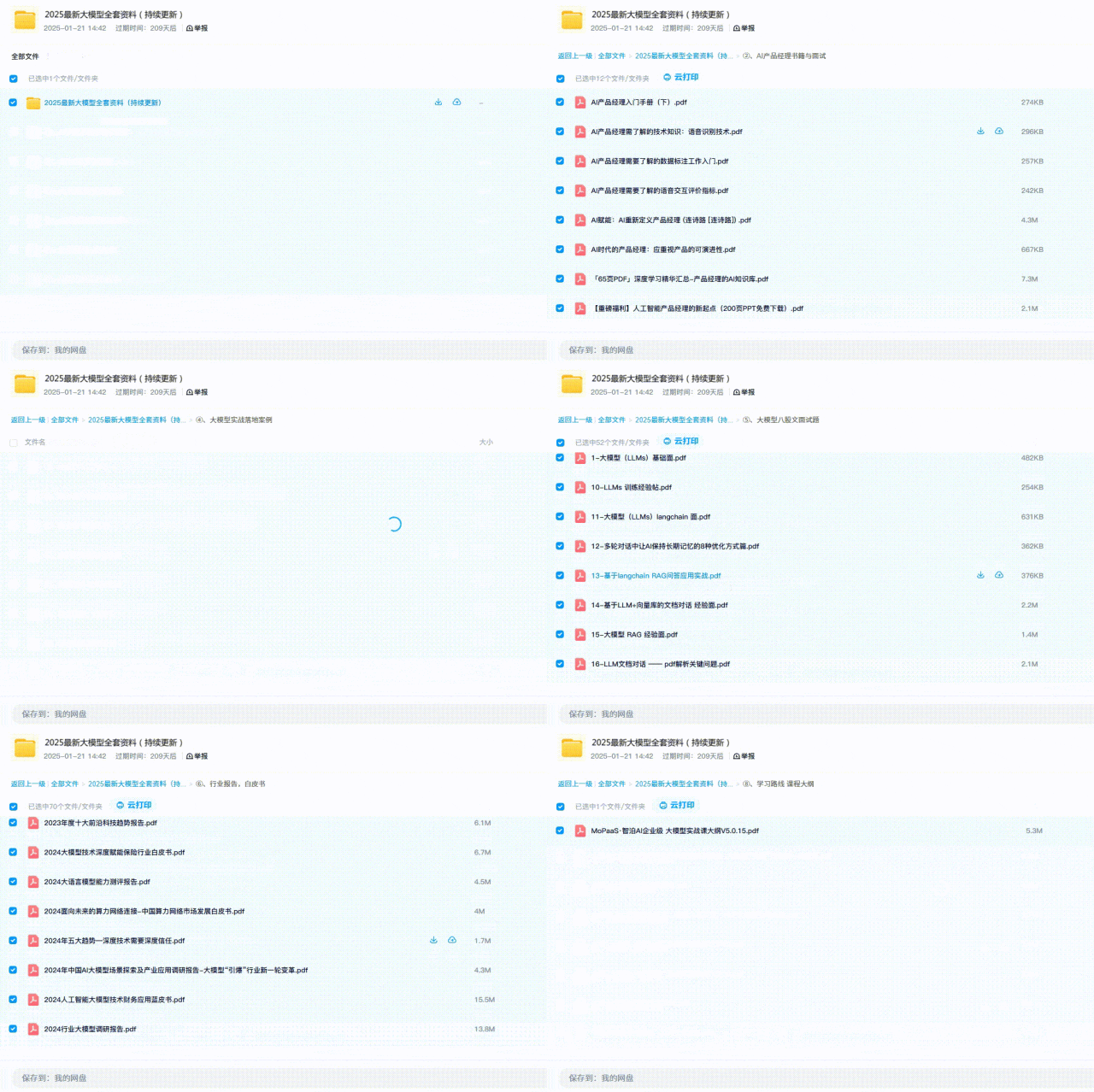
希望这份系统、实用的大模型学习路径,能够帮助你从零入门,进阶到实战,真正掌握AI时代的核心技能!
01 教学内容
-
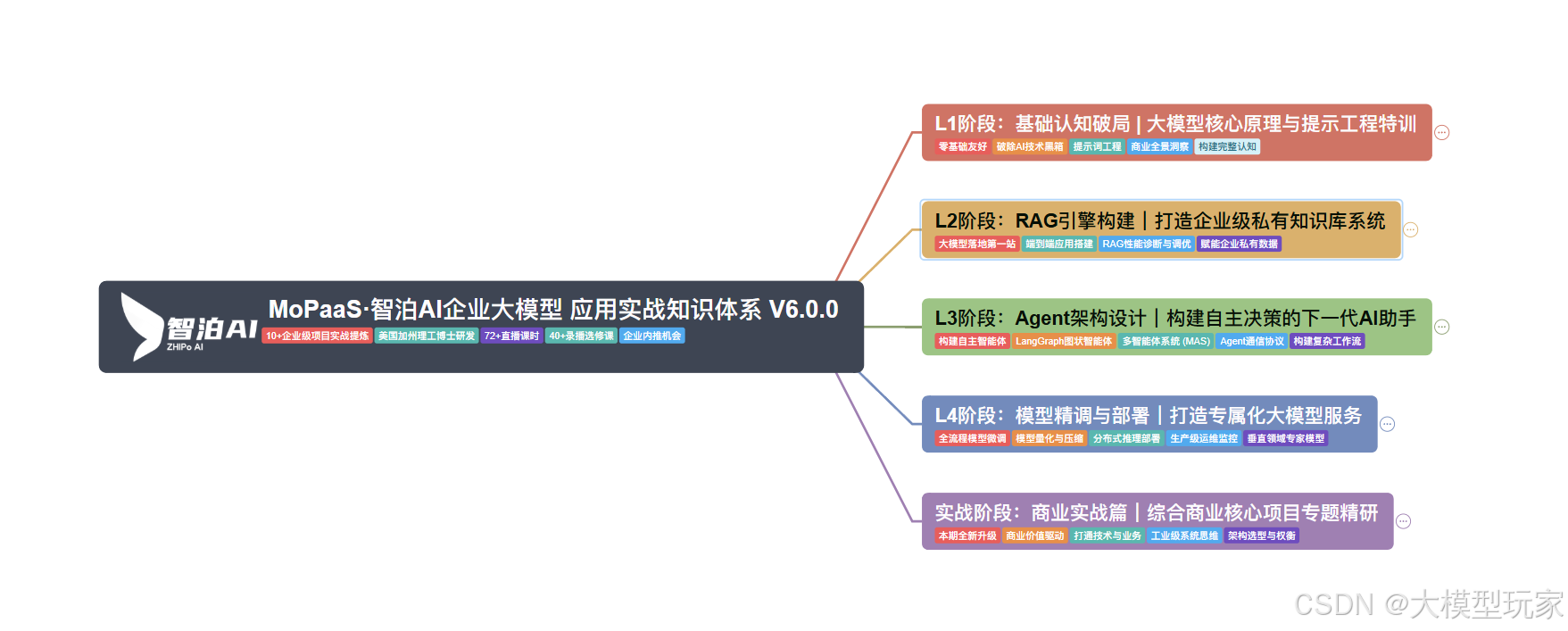
从零到精通完整闭环:【基础理论 →RAG开发 → Agent设计 → 模型微调与私有化部署调→热门技术】5大模块,内容比传统教材更贴近企业实战!
-
大量真实项目案例: 带你亲自上手搞数据清洗、模型调优这些硬核操作,把课本知识变成真本事!
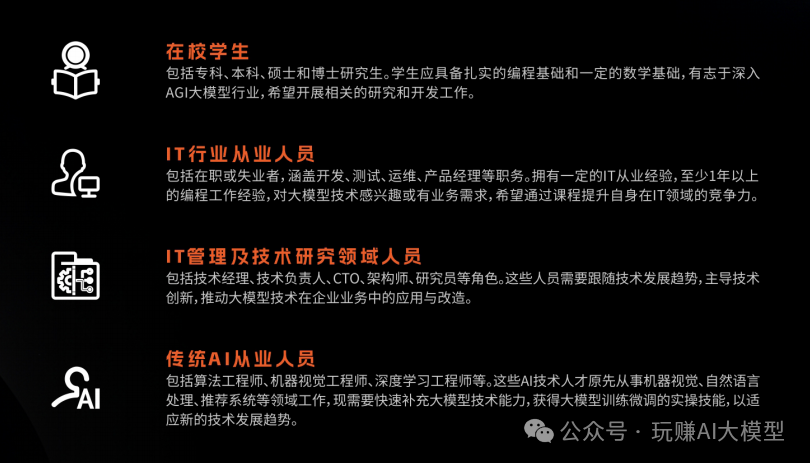
02适学人群
应届毕业生: 无工作经验但想要系统学习AI大模型技术,期待通过实战项目掌握核心技术。
零基础转型: 非技术背景但关注AI应用场景,计划通过低代码工具实现“AI+行业”跨界。
业务赋能突破瓶颈: 传统开发者(Java/前端等)学习Transformer架构与LangChain框架,向AI全栈工程师转型。
vx扫描下方二维码即可
【附赠一节免费的直播讲座,技术大佬带你学习大模型的相关知识、学习思路、就业前景以及怎么结合当前的工作发展方向等,欢迎大家~】
本教程比较珍贵,仅限大家自行学习,不要传播!更严禁商用!
03 入门到进阶学习路线图
大模型学习路线图,整体分为5个大的阶段: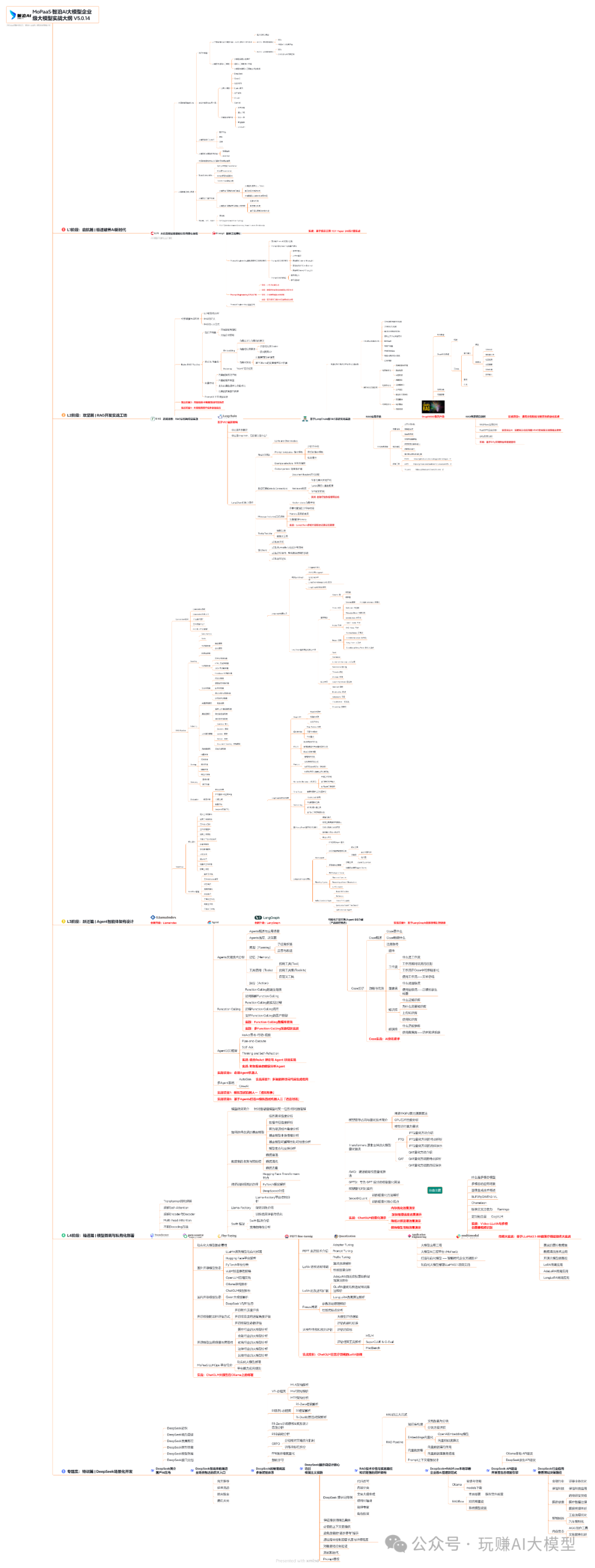
04 视频和书籍PDF合集
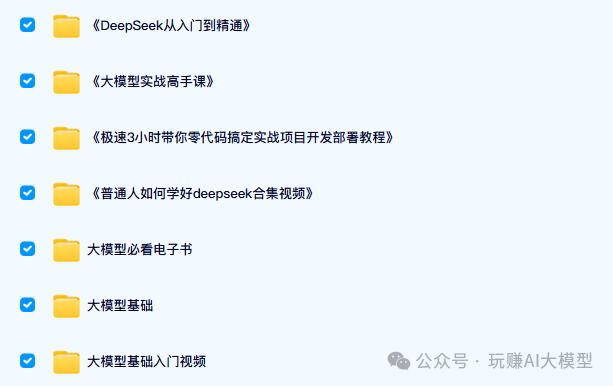
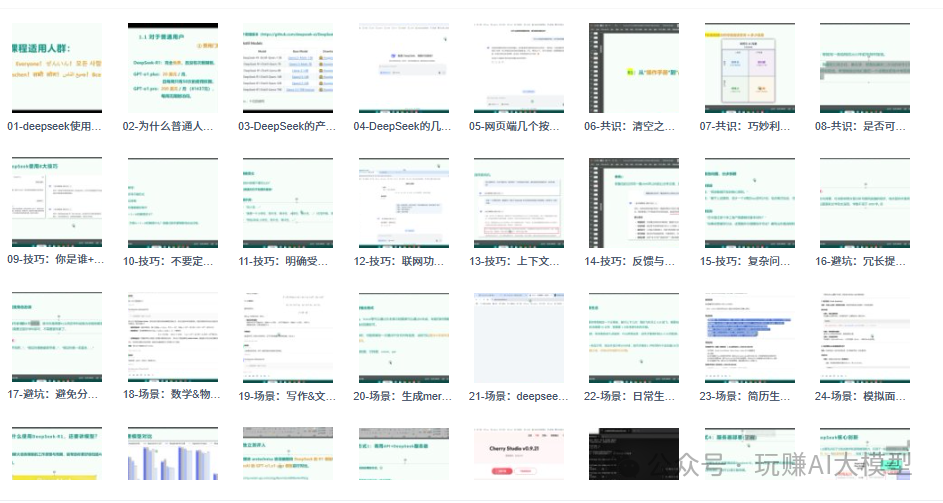
从0到掌握主流大模型技术视频教程(涵盖模型训练、微调、RAG、LangChain、Agent开发等实战方向)
新手必备的大模型学习PDF书单来了!全是硬核知识,帮你少走弯路(不吹牛,真有用)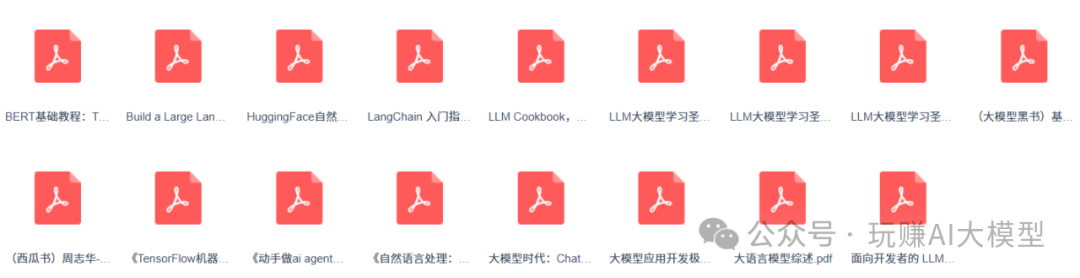
05 行业报告+白皮书合集
收集70+报告与白皮书,了解行业最新动态!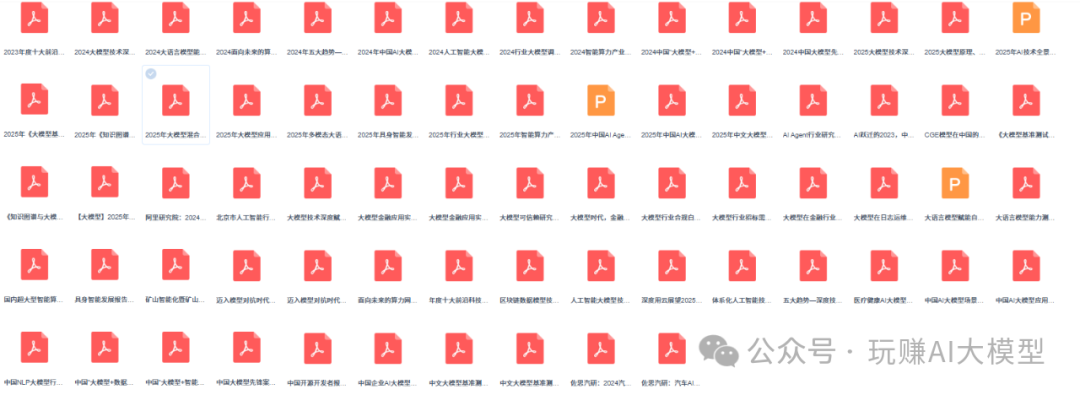
06 90+份面试题/经验
AI大模型岗位面试经验总结(谁学技术不是为了赚$呢,找个好的岗位很重要)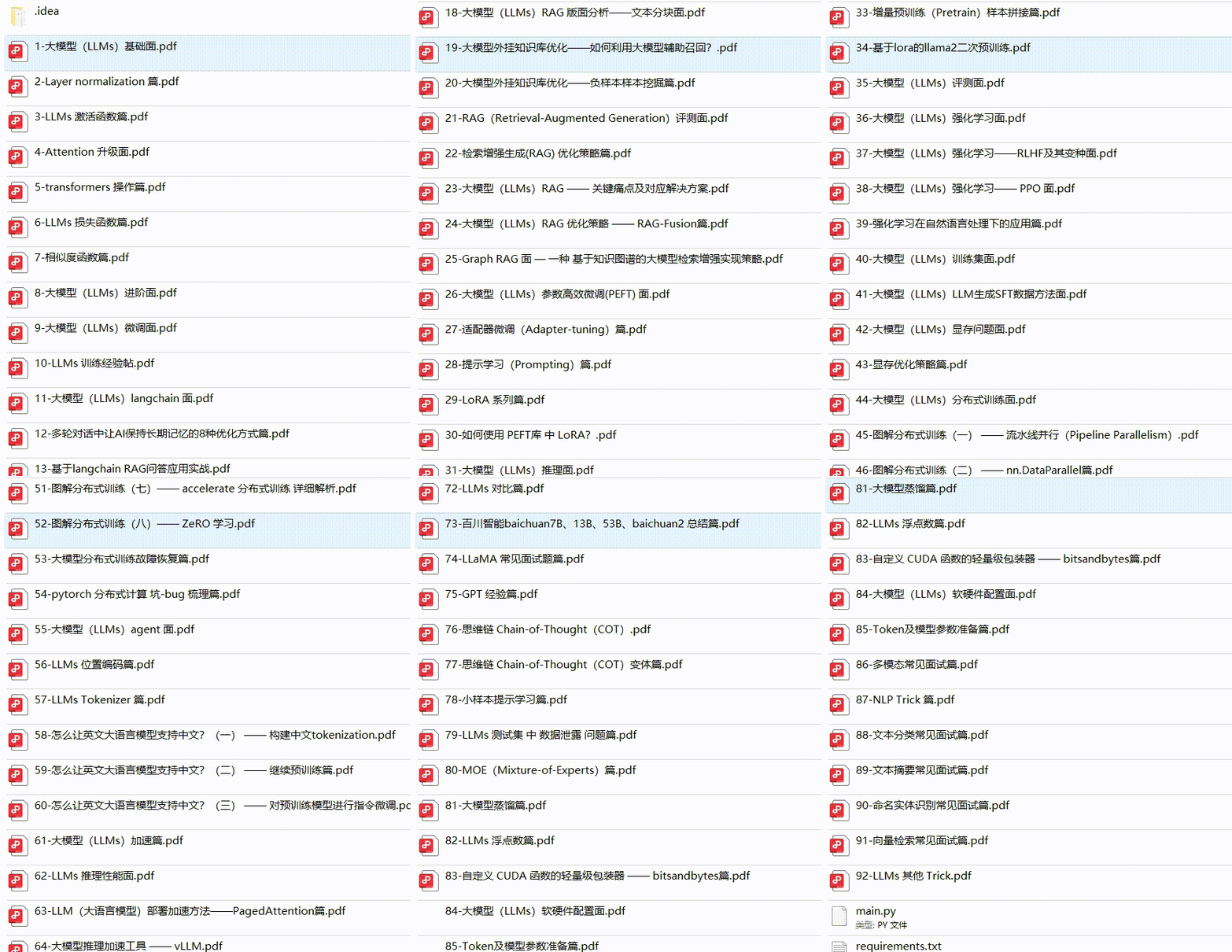
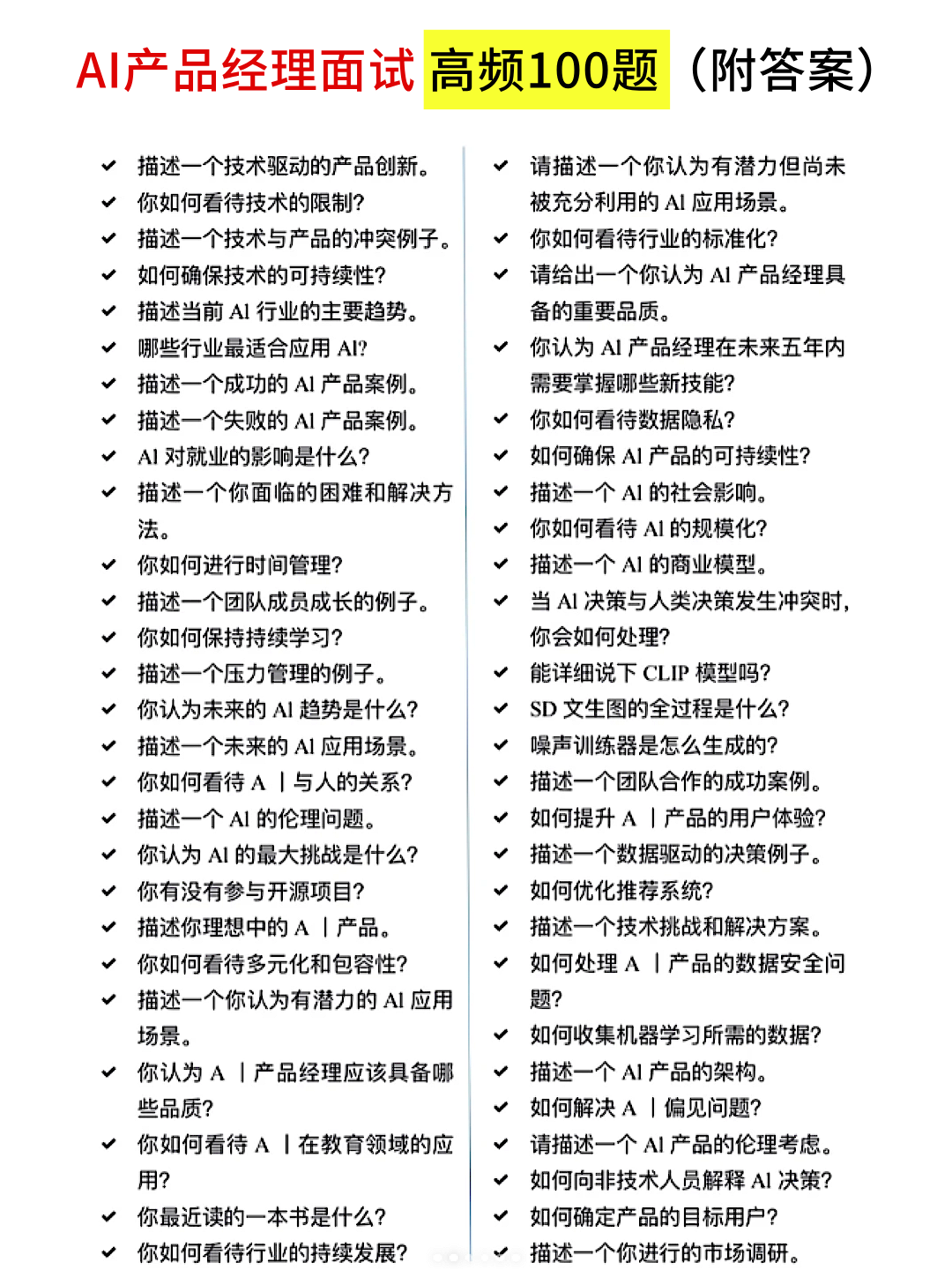
07 deepseek部署包+技巧大全
由于篇幅有限
只展示部分资料
并且还在持续更新中…
真诚无偿分享!!!
vx扫描下方二维码即可
加上后会一个个给大家发
【附赠一节免费的直播讲座,技术大佬带你学习大模型的相关知识、学习思路、就业前景以及怎么结合当前的工作发展方向等,欢迎大家~】

Agent 垂直技术社区,欢迎活跃、内容共建。
更多推荐



 11
11 0
0- 0


 已为社区贡献132条内容

所有评论(0)