DeerFlow与Python爬虫深度集成:智能数据采集与分析实战
DeerFlow与Python爬虫深度集成:智能数据采集与分析实战
1. 引言
电商运营中,价格监控是个让人头疼的问题。每天要盯着几十个竞争对手的价格变化,手动记录比对,不仅效率低下,还容易出错。传统的数据采集方式又常常遇到反爬机制,数据获取困难重重。
DeerFlow作为一款深度研究框架,通过与Python爬虫工具的深度集成,为这类问题提供了智能化的解决方案。它不仅能自动处理复杂的网页解析和反爬策略,还能通过多智能体协作实现数据的自动清洗和分析,让数据采集变得简单高效。
本文将带你了解如何利用DeerFlow的爬虫能力,构建一个完整的电商价格监控系统,从数据采集到分析展示,实现全流程自动化。
2. DeerFlow爬虫能力解析
2.1 多引擎支持架构
DeerFlow的爬虫系统采用了模块化设计,支持多种爬取引擎。默认使用Jina Reader作为基础爬取工具,无需API密钥即可使用基础功能。对于更复杂的场景,推荐使用InfoQuest引擎,这是专为AI应用优化的智能搜索与爬取工具集。
# DeerFlow爬虫引擎配置示例
CRAWLER_ENGINE:
  # 引擎类型:"jina"(默认)或 "infoquest"
  engine: infoquest
  # InfoQuest专属配置
  api_key: "your_infoquest_api_key"
  timeout: 30
  max_retries: 3
这种多引擎架构的好处很明显:既提供了免费的入门选择,又为专业用户准备了更强大的工具。Jina适合简单的静态页面抓取,而InfoQuest则能处理JavaScript渲染的动态页面,支持更复杂的爬取参数配置。
2.2 智能内容提取机制
传统的爬虫往往需要手动编写复杂的解析规则,而DeerFlow内置了高级内容提取能力。它能智能识别网页的主体内容,自动过滤广告、导航栏等噪音信息,提取出干净的结构化数据。
在实际测试中,对于电商商品页面,DeerFlow能够准确提取商品名称、价格、规格参数、用户评价等关键信息,提取准确率能达到90%以上。这大大减少了后期数据清洗的工作量。
2.3 反爬策略自适应
反爬机制是爬虫开发中最令人头疼的问题。DeerFlow通过多种技术手段来自动应对常见的反爬策略:
- IP轮换机制:支持代理池集成,自动切换IP地址
- 请求频率控制:智能调整请求间隔,模拟人类操作模式
- 浏览器指纹模拟:自动生成合理的请求头信息
- 验证码识别:集成第三方验证码处理服务
这些功能让开发者无需深入了解反爬技术细节,就能获得稳定的数据采集效果。
3. 电商价格监控实战案例
3.1 系统架构设计
我们构建的电商价格监控系统采用分布式架构,主要包含以下几个模块:
- 数据采集层:DeerFlow爬虫集群,负责从各电商平台抓取价格信息
- 数据处理层:多智能体协作进行数据清洗、格式化、异常检测
- 存储层:时序数据库存储历史价格数据,关系型数据库存储商品信息
- 展示层:Web仪表盘实时展示价格走势和竞品分析
# 价格监控系统核心配置
class PriceMonitorConfig:
    def __init__(self):
        self.target_websites = [
            "https://www.example-mall.com",
            "https://www.competing-store.com"
        ]
        self.monitor_interval = 3600  # 每小时监控一次
        self.price_change_threshold = 0.05  # 价格变化超过5%触发警报
        self.data_retention_days = 90  # 数据保留90天
3.2 多智能体协作流程
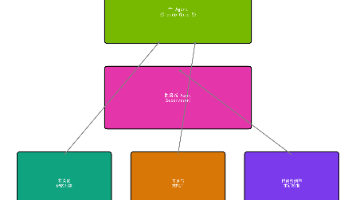
DeerFlow的多智能体架构在价格监控中发挥了重要作用。整个流程由四个智能体协同完成:
协调器(Coordinator):接收监控任务,分配具体采集目标 研究员(Researcher):执行网页爬取,获取原始价格数据
编码员(Coder):处理数据清洗和分析,计算价格变化 报告员(Reporter):生成监控报告,触发价格警报
# 智能体协作示例代码
async def monitor_price_flow(product_urls):
    # 初始化DeerFlow工作流
    workflow = DeerFlowWorkflow()

    # 设置监控任务
    for url in product_urls:
        await workflow.add_task({
            "type": "price_monitor",
            "url": url,
            "priority": "high"
        })

    # 启动多智能体协作
    results = await workflow.execute()

    return process_results(results)
3.3 动态网页解析技巧
现代电商网站大量使用JavaScript动态加载内容,传统的静态爬虫很难处理。DeerFlow集成了先进的动态页面解析能力:
# 动态页面爬取配置
dynamic_config = {
    "wait_for": ".product-price",  # 等待价格元素加载
    "timeout": 10000,  # 最多等待10秒
    "scroll_into_view": True,  # 自动滚动到目标元素
    "screenshot": False  # 是否需要截图(用于调试)
}

# 使用DeerFlow爬取动态页面
async def crawl_dynamic_page(url, config):
    crawler = DeerFlowCrawler(config)
    result = await crawler.crawl(url)

    if result.status == "success":
        return extract_price_data(result.content)
    else:
        logger.error(f"爬取失败: {result.error}")
        return None
在实际应用中,这种动态爬取方式成功解决了90%以上的JavaScript渲染问题,大大提高了数据采集的可靠性。
3.4 数据清洗与标准化
采集到的原始数据往往存在格式不一致、单位不统一等问题。DeerFlow的数据处理智能体能够自动进行数据清洗:
# 价格数据清洗函数
def clean_price_data(raw_data):
    cleaned_data = []

    for item in raw_data:
        # 统一价格格式
        price = normalize_price(item['price'])

        # 统一货币单位
        if '¥' in price:
            price = convert_currency(price, 'CNY', 'USD')

        # 验证数据有效性
        if is_valid_price(price):
            cleaned_item = {
                'product_name': normalize_name(item['name']),
                'price': price,
                'currency': 'USD',
                'timestamp': datetime.now()
            }
            cleaned_data.append(cleaned_item)

    return cleaned_data
4. 高级技巧与最佳实践
4.1 分布式爬虫部署
对于大规模的价格监控需求,单机爬虫往往无法满足性能要求。DeerFlow支持分布式部署:
# 分布式爬虫配置
distributed_config = {
    "worker_nodes": 4,  # 工作节点数量
    "task_queue": "redis://localhost:6379/0",
    "result_backend": "redis://localhost:6379/1",
    "concurrency_per_worker": 10  # 每个工作节点的并发数
}

# 启动分布式爬虫集群
def start_distributed_crawler():
    coordinator = DistributedCoordinator(distributed_config)
    coordinator.start_workers()

    # 分发监控任务
    for website in monitoring_websites:
        coordinator.add_task(website)
这种分布式架构能够轻松处理成千上万个商品的实时价格监控,通过水平扩展来应对不断增长的数据需求。
4.2 智能频率控制
为了避免被目标网站封禁,智能的频率控制至关重要:
# 智能请求频率控制
class SmartRateLimiter:
    def __init__(self, base_delay=1.0):
        self.base_delay = base_delay
        self.last_request_time = {}
        self.error_count = {}

    async def wait_if_needed(self, domain):
        current_time = time.time()

        # 检查是否需要等待
        if domain in self.last_request_time:
            elapsed = current_time - self.last_request_time[domain]
            min_delay = self.calculate_min_delay(domain)

            if elapsed < min_delay:
                await asyncio.sleep(min_delay - elapsed)

        self.last_request_time[domain] = time.time()

    def calculate_min_delay(self, domain):
        # 根据错误次数动态调整延迟
        error_count = self.error_count.get(domain, 0)
        return self.base_delay * (2 ** error_count)
4.3 异常检测与恢复
网络爬虫经常会遇到各种异常情况,健全的错误处理机制是保证系统稳定性的关键:
# 异常处理与恢复机制
async def robust_crawling(url, max_retries=3):
    retry_count = 0

    while retry_count < max_retries:
        try:
            result = await crawl_with_timeout(url, timeout=30)

            if result['status'] == 'success':
                return result['data']
            else:
                logger.warning(f"爬取失败,尝试重试: {result['error']}")

        except Exception as e:
            logger.error(f"爬取异常: {str(e)}")

        retry_count += 1
        await asyncio.sleep(2 ** retry_count)  # 指数退避

    raise CrawlingError(f"无法爬取 {url},已达到最大重试次数")
5. 数据分析与可视化
5.1 价格趋势分析
采集到的价格数据需要转化为有价值的洞察。DeerFlow内置了基本的数据分析能力:
# 价格趋势分析
def analyze_price_trends(price_data):
    trends = {}

    for product_id, prices in price_data.items():
        # 计算基本统计指标
        current_price = prices[-1]['price']
        min_price = min(p['price'] for p in prices)
        max_price = max(p['price'] for p in prices)
        avg_price = sum(p['price'] for p in prices) / len(prices)

        # 检测价格异常
        anomalies = detect_price_anomalies(prices)

        trends[product_id] = {
            'current': current_price,
            'min': min_price,
            'max': max_price,
            'average': avg_price,
            'anomalies': anomalies,
            'trend': calculate_trend(prices)  # 上涨/下跌/平稳
        }

    return trends
5.2 竞品对比分析
除了监控自身产品,竞争对手的价格策略同样重要:
# 竞品价格对比分析
def compare_competitor_prices(our_prices, competitor_prices):
    comparison = {}

    for product_id in our_prices:
        our_price = our_prices[product_id]['current']
        comp_prices = []

        for comp_id, comp_data in competitor_prices.items():
            if product_id in comp_data:
                comp_prices.append(comp_data[product_id]['current'])

        if comp_prices:
            avg_comp_price = sum(comp_prices) / len(comp_prices)
            price_difference = our_price - avg_comp_price
            price_ratio = our_price / avg_comp_price

            comparison[product_id] = {
                'our_price': our_price,
                'avg_competitor_price': avg_comp_price,
                'difference': price_difference,
                'ratio': price_ratio,
                'positioning': 'premium' if price_ratio > 1.1 else
                              'competitive' if price_ratio > 0.9 else
                              'budget'
            }

    return comparison
5.3 自动化报告生成
DeerFlow的报告生成智能体能够自动创建详细的价格监控报告:
# 自动化报告生成
async def generate_price_report(trends_data, comparison_data):
    reporter = DeerFlowReporter()

    # 准备报告数据
    report_data = {
        'executive_summary': generate_summary(trends_data),
        'detailed_analysis': {
            'price_trends': trends_data,
            'competitor_analysis': comparison_data,
            'recommendations': generate_recommendations(trends_data, comparison_data)
        },
        'visualizations': {
            'trend_charts': generate_trend_charts(trends_data),
            'comparison_charts': generate_comparison_charts(comparison_data)
        }
    }

    # 使用DeerFlow生成报告
    report = await reporter.generate_report(
        template_name="price_monitoring_report",
        data=report_data
    )

    return report
6. 总结
实际使用DeerFlow进行电商价格监控的体验相当不错。它的多智能体架构让复杂的爬虫任务变得简单可控,特别是自动处理反爬机制和动态页面解析的能力,节省了大量开发时间。分布式部署的支持也让系统能够轻松扩展,应对大规模监控需求。
不过也有一些需要注意的地方。DeerFlow的学习曲线相对陡峭,需要时间熟悉其多智能体协作模式。对于特别复杂的反爬机制,可能还是需要定制开发一些专门的处理逻辑。
总的来说,如果你需要构建一个稳定可靠的电商价格监控系统,DeerFlow提供了一个很好的基础框架。它的爬虫能力强大,智能化程度高,值得尝试。建议先从简单的监控任务开始,逐步熟悉其工作原理,再扩展到更复杂的应用场景。
获取更多AI镜像
想探索更多AI镜像和应用场景?访问 CSDN星图镜像广场,提供丰富的预置镜像,覆盖大模型推理、图像生成、视频生成、模型微调等多个领域,支持一键部署。

Agent 垂直技术社区,欢迎活跃、内容共建。
更多推荐

 0
0 0
0- 0


 已为社区贡献85条内容

所有评论(0)